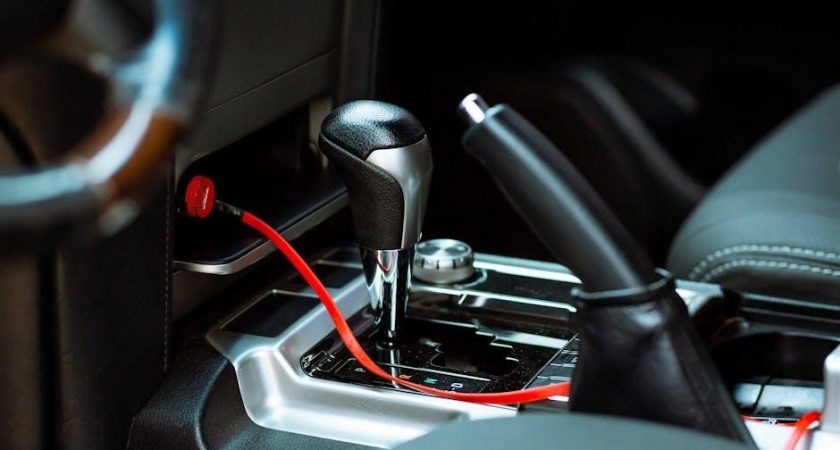
Manual Transmission Stuck in Gear: A Comprehensive Guide
Navigating a stuck gear can be frustrating; this guide details causes, symptoms, and solutions, covering everything from fluid checks to solenoid pack roles.
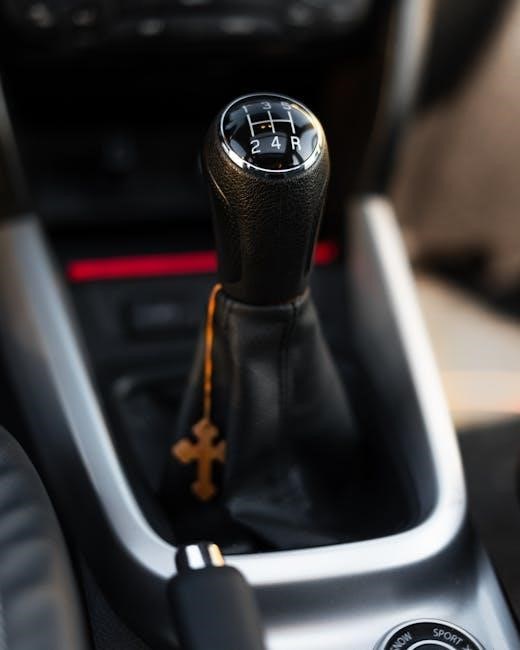
Understanding the Problem
A manual transmission stuck in gear presents a significant driving challenge, ranging from complete immobilization to difficulty selecting different gears. This issue isn’t always catastrophic; sometimes, it’s a simple mechanical linkage problem. However, it can also indicate deeper internal transmission failures, like worn synchronizers or damaged clutch components.
Understanding the root cause is crucial. Issues can stem from low or contaminated transmission fluid, impacting hydraulic pressure needed for smooth shifting. A faulty shift linkage prevents proper gear engagement, while internal component failures directly hinder gear movement. Recognizing the nuances – whether it’s a specific gear affected or a consistent problem across all gears – aids in accurate diagnosis and repair.
Common Causes of a Stuck Gear
Several factors contribute to a manual transmission becoming stuck, often stemming from hydraulic or mechanical issues. A malfunctioning lo overrun valve can specifically cause problems with reverse gear, leading to slipping or complete failure. Internal clutch accumulator issues, like damage or missing parts, frequently result in slips in first gear.
External causes include a pinched, plugged, or twisted transmission fluid line, disrupting hydraulic pressure. Shift linkage problems, where connections are loose or broken, prevent proper gear selection. Internal wear and tear on synchronizers and gears themselves also contribute, alongside low or degraded transmission fluid impacting overall performance.
Symptoms of a Stuck Transmission
Recognizing the signs of a stuck transmission is crucial for timely intervention. The most obvious symptom is the inability to shift into, or out of, a specific gear. Slipping gears, particularly in first or reverse, are common indicators, often accompanied by unusual noises like grinding or clunking. Delayed gear changes can also signal underlying issues.
In Mercedes vehicles, a faulty Transmission Range Sensor (TRRS) manifests as difficulty shifting out of park or delayed engagement. The transmission entering “limp mode,” restricting speed and gear selection, is another warning sign. Ultimately, any unusual resistance or difficulty during gear changes warrants immediate attention to prevent further damage.

Initial Checks Before Diagnosis
Before diving into complex diagnostics, several preliminary checks can pinpoint the problem. First, ensure the ignition key is on or the engine is running – a surprisingly common oversight. A thorough external inspection of the shift mechanism for any visible damage or obstructions is essential. Confirm the scanner has adequate power, between 10.5 and 14.5 Volts, for accurate readings.
Crucially, examine the transmission fluid lines to the radiator, checking for pinches, twists, or blockages. These can restrict hydraulic flow. Remember to wear appropriate protective gear during all inspections, including safety glasses and a breathing mask if dust is present.
Checking Transmission Fluid Level
Accurate transmission fluid level is paramount for proper operation. Locate the dipstick, usually marked clearly, and with the engine running and transmission warmed up, pull it out and wipe clean. Reinsert fully, then remove again to check the fluid level against the “hot” range markings. Low fluid can cause slipping and difficulty shifting, potentially leading to a stuck gear.
Note any unusual smells or discoloration during this process, as these indicate potential contamination or internal issues. Consistent low fluid levels suggest a leak that needs immediate attention to prevent further damage.
Inspecting Transmission Fluid Condition
Beyond the level, fluid condition reveals much about transmission health. Healthy fluid is typically bright red and translucent. Dark brown or black fluid indicates overheating and potential internal wear, contributing to shifting problems. A burnt smell is a strong indicator of clutch material breakdown.
Look for metallic flakes or a cloudy appearance, signaling internal component failure. Contaminated fluid restricts hydraulic flow, hindering smooth gear engagement and potentially causing a stuck gear. Regularly inspecting fluid condition aids in preventative maintenance and early problem detection.
Specific Issues Leading to Stuck Gears
Several distinct problems can physically prevent gear changes. A faulty shift linkage, responsible for transmitting driver input, can bind or break, leaving the transmission unable to select gears. Clutch issues, if applicable, can cause incomplete disengagement, making shifting difficult or impossible.
More seriously, internal transmission component failure – like a damaged forward clutch accumulator – directly impedes gear selection. A stuck lo overrun valve can specifically cause issues with reverse gear engagement. These internal failures often stem from wear, overheating, or fluid contamination.
Faulty Shift Linkage
A compromised shift linkage directly hinders proper gear selection. This system translates the driver’s lever movements into actions within the transmission. Corrosion, wear, or physical damage to linkage components – rods, bushings, or joints – can cause binding or looseness. Binding prevents complete movement, while looseness introduces slop and imprecise shifts.
Consequently, the transmission may struggle to fully engage a gear, or become stuck altogether. Inspecting the linkage for visible damage, proper connection, and smooth operation is crucial. Replacement of worn or damaged parts often restores correct shifting functionality.
Clutch Problems (If Applicable)
For manual transmissions, a malfunctioning clutch can mimic a stuck gear. If the clutch doesn’t fully disengage, it creates constant pressure on the transmission input shaft, making gear changes difficult or impossible. Worn clutch components – the disc, pressure plate, or throw-out bearing – are common culprits.
Symptoms include difficulty shifting, grinding noises, or the inability to select any gear at all. A hydraulic clutch system may suffer from low fluid or a faulty master/slave cylinder. Thoroughly assess the clutch’s operation; a repair or replacement may be necessary to resolve the issue.
Internal Transmission Component Failure
Significant internal damage within the transmission is a serious cause of stuck gears. Worn or broken synchronizers, shift forks, or gears themselves can physically prevent smooth gear engagement or disengagement. A missing, cut, or damaged forward clutch accumulator can cause slips in first gear, contributing to the problem;
Internal failures often present with loud noises, grinding, or a complete inability to shift. These issues typically require a complete transmission rebuild or replacement, as individual component repairs can be complex and costly. Identifying the specific failed component demands a professional diagnosis.
The Role of the Solenoid Pack
Modern manual transmissions, even those with automated features, rely heavily on solenoid packs for proper operation. These packs control hydraulic fluid flow, directing it to the appropriate clutches and bands to facilitate gear changes. A malfunctioning solenoid can prevent a gear from engaging or disengaging, leading to a stuck gear situation.
Diagnostic trouble codes (DTCs) retrieved via a scan tool often pinpoint solenoid failures. Testing individual solenoids requires specialized equipment and knowledge. Replacement of the entire solenoid pack is often recommended, as individual failures frequently indicate broader pack degradation.
Hydraulic Issues and Their Impact
Hydraulic systems are crucial for transmitting force within a manual transmission. Low hydraulic pressure, often stemming from a failing pump or internal leaks, can prevent proper clutch engagement, resulting in slipping or a stuck gear. Blocked hydraulic lines, potentially pinched or twisted lines to the radiator, restrict fluid flow, creating similar symptoms.
Inspect transmission fluid lines for any visible damage or obstructions. A thorough diagnostic assessment is needed to pinpoint the source of hydraulic problems. Addressing these issues often involves replacing lines, pumps, or internal components to restore proper fluid pressure and flow.
Low Hydraulic Pressure
Insufficient hydraulic pressure severely hinders a transmission’s ability to function correctly. This can manifest as difficulty shifting, slipping gears, or the transmission becoming entirely stuck. Causes include a failing hydraulic pump, internal leaks within the transmission, or a worn valve body.
Low pressure prevents adequate clutch engagement, leading to these issues. Diagnosing this requires checking pressure readings at various test points within the system. Repair often involves replacing the pump, sealing leaks, or rebuilding the valve body to restore optimal hydraulic force and smooth gear operation.

Blocked Hydraulic Lines
Restricted hydraulic lines impede fluid flow, directly impacting the transmission’s ability to shift smoothly and reliably. These blockages can arise from internal corrosion, debris accumulation, or kinks in the lines themselves. Pinched, twisted, or plugged transmission fluid lines to the radiator are a common culprit, hindering proper cooling and fluid circulation.
Reduced fluid flow results in delayed or incomplete gear engagement, potentially causing the transmission to become stuck. Inspection involves visually examining the lines for damage and verifying fluid flow. Replacement of blocked or damaged lines is crucial for restoring proper hydraulic function.
Troubleshooting Steps
Begin with a thorough external inspection of the shift mechanism, checking for loose connections, damage, or obstructions preventing proper movement. Verify the ignition key is on or the engine is running, as this is fundamental for operation. Next, utilize a scan tool to retrieve any diagnostic trouble codes (DTCs) stored within the transmission control module (TCM).
These codes provide valuable insights into potential issues. A five-step troubleshooting guide, starting with fluid level checks, can help pinpoint the root cause. Remember to document all findings and observations during the diagnostic process.
External Inspection of Shift Mechanism
A meticulous external inspection is the first crucial step. Carefully examine the shift linkage, connecting the gear lever to the transmission, for any visible signs of damage – bends, breaks, or corrosion. Check all connections at both ends of the linkage; ensure they are secure and haven’t loosened over time.
Inspect the shift lever itself for smooth operation and proper engagement in each gear position. Look for obstructions around the shift tower on the transmission. Confirm the cable isn’t kinked or frayed, hindering movement.
Using a Scan Tool for Diagnostic Codes
Modern vehicles, even with manual transmissions, often store diagnostic trouble codes (DTCs) that can provide valuable clues. Connect a compatible scan tool to the vehicle’s OBD-II port and initiate a scan. Look for codes related to the transmission, shift linkage, or related sensors.
Even seemingly unrelated codes can offer insights; for example, a code affecting engine performance might indirectly impact transmission operation. Record all retrieved codes and research their specific meanings to narrow down potential causes. Ensure the scanner has sufficient power (10.5 to 14.5 Volts).
Mercedes Transmission Specific Issues
Mercedes-Benz vehicles can exhibit unique transmission problems. A common issue involves the Transmission Range Sensor (TRRS), where faults manifest as delayed gear changes or an inability to shift out of Park. Inspect the TRRS location as detailed in service documentation.
Furthermore, certain Mercedes models, particularly those from around 2017, were subject to a recall addressing similar shifting concerns. Verify if your vehicle falls within the recall range. Common problems include limp mode and complete shifting failure, often linked to hydraulic or sensor malfunctions.
TRRS (Transmission Range Sensor) Problems
A malfunctioning Transmission Range Sensor (TRRS) can significantly disrupt shifting. Symptoms include delayed gear engagement, difficulty shifting out of Park, or erratic transmission behavior. The TRRS informs the transmission control module (TCM) of the gear selector position.

Faulty readings from the TRRS can cause the TCM to select the incorrect gear, leading to a stuck gear situation. Diagnostic procedures involve visually inspecting the sensor and its wiring, and utilizing a scan tool to read trouble codes related to the TRRS. Refer to Mercedes-Benz service manuals for specific TRRS location diagrams.
Mercedes Transmission Recall (2017)
In 2017, Mercedes-Benz issued a recall addressing a transmission issue remarkably similar to current problems. This recall focused on specific models experiencing difficulties shifting or becoming stuck in gear, often mirroring the symptoms drivers are now encountering. The root cause was identified as a potential fault within the transmission’s control system.
Owners should verify if their vehicle was subject to this recall and if the necessary repairs were completed. Checking your Vehicle Identification Number (VIN) with a Mercedes-Benz dealership is crucial to determine recall status. Ignoring a prior recall can exacerbate existing transmission issues.
Repair Options
Addressing a stuck gear presents varying repair paths, dependent on the underlying cause. Limited DIY repairs might involve inspecting and potentially replacing shift linkage components, but internal transmission work demands professional expertise. A comprehensive transmission service, performed by qualified technicians, is often necessary for complex issues like internal component failure or solenoid pack problems.
Professional services offer diagnostic precision, utilizing scan tools to pinpoint fault codes and perform thorough inspections. Choosing a reputable shop ensures accurate repairs and prevents further damage. Consider the cost-benefit of DIY versus professional intervention.
DIY Repairs (Limited Scope)
While extensive transmission repairs require professional skill, some preliminary checks can be performed by mechanically inclined individuals. Inspecting the shift linkage for looseness, damage, or obstructions is a viable starting point. Ensuring the ignition key is on or the engine is running is crucial before attempting any shifting maneuvers.
However, attempting internal repairs without proper knowledge and tools is strongly discouraged. These can exacerbate the problem. Focus on external observations and simple adjustments; if issues persist, seek professional assistance to avoid costly mistakes and potential safety hazards.
Professional Transmission Service
When DIY attempts fail, or the issue appears complex, a professional transmission service is essential. Skilled technicians possess the diagnostic tools – including scan tools – and expertise to pinpoint the root cause, whether it’s a faulty TRRS, internal component failure, or hydraulic issues.
They can accurately assess damage, perform necessary repairs (like hydraulic ram repairs), and ensure proper functionality. Utilizing genuine parts, subjected to rigorous testing, guarantees reliability. A professional service offers a comprehensive solution, preventing further damage and restoring your transmission’s performance.
Preventative Maintenance
Proactive maintenance significantly reduces the risk of a stuck transmission. Regular transmission fluid changes are paramount, ensuring optimal lubrication and preventing internal component wear. Adopting proper shifting techniques – avoiding harsh or rushed shifts – minimizes stress on the system.
Inspect transmission fluid lines for kinks or blockages, as these can impact hydraulic pressure. Addressing minor issues promptly prevents escalation into major repairs. Consistent attention to these details extends the life of your transmission and keeps you confidently on the road, avoiding frustrating gear-locking scenarios.
Regular Fluid Changes
Maintaining optimal transmission fluid is crucial for preventing stuck gears. Fluid degrades over time, losing its lubricating properties and accumulating debris. Regular changes – typically every 30,000 to 60,000 miles, but consult your vehicle’s manual – ensure smooth operation.
Fresh fluid effectively cools components and prevents corrosion. Inspect the fluid’s condition during each change; a dark, burnt smell or metallic flakes indicate potential internal damage. Neglecting fluid changes leads to increased friction, heat buildup, and ultimately, a transmission that may become stubbornly stuck in gear.

Proper Shifting Techniques
Employing correct shifting practices significantly reduces stress on the transmission. Avoid “speed shifting” or forcing the gear lever; smooth, deliberate movements are essential. Fully depress the clutch pedal before each shift, ensuring complete disengagement.
Release the clutch gradually while simultaneously applying throttle. “Grinding” gears indicates improper synchronization – slow down and try again. Avoid resting your foot on the clutch pedal while driving, as this causes wear and potential sticking. Gentle, mindful shifting prolongs transmission life and minimizes the risk of getting stuck.
Safety Precautions During Inspection & Repair
Prioritizing safety is paramount when inspecting or repairing a transmission. Always disconnect the negative battery cable to prevent accidental electrical shocks. Wear appropriate protective gear, including safety glasses to shield your eyes from debris and a breathing mask during tasks generating dust.
Utilize dust extraction equipment to maintain a clean and safe working environment. Support the vehicle securely with jack stands – never rely solely on a jack. Be mindful of hot exhaust components and transmission fluid, which can cause burns. Handle tools with care and follow manufacturer’s instructions.
Protective Gear Requirements

Essential protective gear is non-negotiable during transmission work. Safety glasses are crucial, safeguarding your eyes from flying metal fragments and fluid splashes. A properly fitted breathing mask is vital when dealing with dust created during inspection and component removal, preventing inhalation of harmful particles.
Wear durable work gloves to protect your hands from sharp edges, hot surfaces, and harsh chemicals. Consider wearing long sleeves and pants to minimize skin exposure. Steel-toed boots offer foot protection against dropped tools or vehicle components, ensuring comprehensive safety.
Dust Extraction Equipment
Employing dust extraction equipment is paramount for a safe and clean workspace. Transmission work generates significant dust, containing potentially hazardous materials like brake dust and metal particles. A shop vacuum equipped with a HEPA filter effectively captures these airborne contaminants, preventing their spread and inhalation.
Utilize a dedicated dust shroud attached to power tools during grinding or cutting operations, directly capturing dust at the source. Ensure proper ventilation in the work area, supplementing the vacuum with fresh air circulation. Regularly empty and maintain the vacuum’s filter for optimal performance.
Genuine Parts vs. Aftermarket

Selecting between genuine and aftermarket parts is a crucial decision during transmission repair. Genuine parts, as presented in official catalogues, undergo rigorous function and endurance testing, ensuring optimal compatibility and reliability with your vehicle’s specific transmission. While often more expensive, they guarantee a precise fit and performance, minimizing the risk of future issues.

Aftermarket parts can offer cost savings, but quality varies significantly. Thorough research and selecting reputable brands are essential. Inferior aftermarket components may lead to premature wear, reduced efficiency, or even further damage to the transmission.
Power Requirements for Scanners
Utilizing a scan tool is vital for diagnosing transmission issues, but ensuring adequate power supply is paramount for accurate readings and preventing damage to the tool or your vehicle’s electrical system. Most automotive scanners require a stable power source within a specific voltage range – typically between 10.5 and 14;5 Volts.
Connecting a scanner to a vehicle with a low battery voltage can result in inaccurate data, incomplete scans, or even a non-responsive tool. Always verify the vehicle’s battery health before initiating a diagnostic session, and consider using a power supply if necessary.