Overview of Annapurna Devi Stotram (Telugu PDF)
Annapurna Devi Stotram in Telugu PDF offers devotees a concise, accessible scripture praising the goddess of nourishment. Available from sriguru.org.in, the PDF features verses, meanings, and benefits, enabling easy study and recitation for spiritual growth. Download it for free share with friends us
Historical Context and Origins
The Annapurna Devi Stotram, a revered Telugu hymn, traces its roots to the medieval devotional movements that flourished in South India during the 12th and 13th centuries. Scholars attribute its composition to the saint‑poet Sri Annamayya, who is celebrated for integrating Sanskritic theology with the vernacular. Annamayya’s verses were originally composed in Telugu, making the stotram accessible to the common people. Over the centuries, the hymn was transmitted orally through temple choirs and local bhakti gatherings, and later preserved in manuscript form. The earliest printed editions appeared in the late 19th century, coinciding with the revival of Telugu literary culture under the patronage of the Nizam of Hyderabad. In the 20th century, the stotram gained wider recognition when it was included in the curriculum of many Telugu schools and was published by prominent publishers such as Srikrishna Publications. Today, the stotram is widely available in digital PDF format, allowing devotees worldwide to recite and study the verses with ease. Its historical journey from oral recitation to printed scripture exemplifies the dynamic evolution of devotional literature in South India. The PDF edition preserves the original meter and phonetic nuances, enabling practitioners to recite with proper intonation. Scholars note that the stotram’s rhythmic structure aligns with traditional Telugu prosody, making it a valuable resource for linguistic studies. Its popularity underscores the enduring appeal of devotional poetry in Telugu society!!!
Significance in Telugu Devotional Literature
The Annapurna Devi Stotram stands as a cornerstone of Telugu bhakti tradition, embodying the synthesis of divine praise and regional linguistic identity. Its prominence stems from the hymn’s widespread use in temples, household rituals, and community festivals across Andhra Pradesh and Telangana. Scholars highlight that the stotram’s verses, composed in the mellifluous Telugu meter, resonate with devotees, fostering a sense of cultural continuity and spiritual nourishment. The PDF edition, available through platforms such as sriguru.org.in, democratizes access, allowing both seasoned practitioners and new learners to engage with the text in its original language. By preserving the authentic phonetics and rhythmic patterns, the digital format ensures accurate recitation, which is essential for the hymn’s intended meditative effect. Moreover, the stotram’s inclusion in academic curricula and its frequent citation in devotional literature underscore its role as a pedagogical tool for imparting theological concepts, moral values, and linguistic heritage. The hymn’s ability to bridge the gap between ancient scripture and contemporary practice exemplifies the dynamic nature of Telugu devotional literature, reinforcing the goddess’s image as the sustainer of both material and spiritual well-being. Consequently, the Annapurna Devi Stotram remains a vital cultural artifact, continually inspiring devotion, scholarship, and community cohesion across generations. It remains timeless all.
Common Themes and Motifs
Annapurna Devi Stotram, rendered in Telugu PDF, unfolds a tapestry of recurring motifs that echo the goddess’s multifaceted persona. Central to the hymn is the motif of nourishment—both physical and spiritual—where the verses depict her as the provider of sustenance, a benevolent mother who dispenses food, wealth, and wisdom. This theme is woven through imagery of golden grains, fragrant flowers, and the radiant sun, symbolizing the life‑sustaining energy she bestows upon devotees. Alongside nourishment, the stotram emphasizes compassion, portraying Annapurna as a merciful deity who alleviates suffering and grants relief to those in distress. The verses invoke her gentle touch, described as a soothing balm that heals emotional wounds and restores hope. Protection is another recurring motif; the hymn calls upon the goddess to shield her followers from misfortune, disease, and negative forces, often likening her protective embrace to a fortress of light. The stotram also celebrates the divine feminine’s creative power, highlighting her role as the originator of all abundance and the custodian of cosmic order. This creative motif is reflected in the rhythmic cadence of the verses, which mimic the cycles of nature—birth, growth, harvest, and renewal. Finally, the hymn’s structure embodies devotion, as each stanza culminates in heartfelt plea invites listeners to internalize the goddess’s grace.! Together, the stotram’s purpose: inspire gratitude, foster nourishment, and bind devotee to divine mother.

Availability of PDF Versions
The Annapurna Devi Stotram PDF is freely available on trusted sites like sriguru.org.in, offering clear Telugu verses with meanings. Users can download in PDF format, ensuring offline access for study or recitation. The file is lightweight, easily shareable, and supports mobile devices. for all ages. daily.
Trusted Sources for Download
The most reliable source for the Annapurna Devi Stotram in Telugu PDF is the official sriguru.org.in website, which hosts a dedicated page for the stotram. Users can download the PDF directly from the “Download” button, ensuring the file is authentic and free of malware. The site provides a brief description of the stotram, its significance, and a short audio clip for pronunciation guidance.
Another reputable platform is Vedic Devotion, a community‑driven portal that aggregates devotional literature. Their PDF repository includes the Annapurna Devi Stotram with a clear layout, making it suitable for both study and display. The site also offers a printable version in PDF format, which can be saved for offline use.
For those who prefer a more academic approach, Tamil Devotional hosts a collection of Telugu stotrams, including the Annapurna Devi Stotram. The PDF is accompanied by a scholarly commentary that explains each verse’s meaning and contextual background. This source is ideal for students and researchers seeking deeper insight.
All three sources provide the PDF with clear typography and page numbers. The files are typically under 2 MB, making them quick to download even on mobile data. Verify the URL ends with “.pdf” and use HTTPS for security. By using these trusted sites, devotees can confidently access the stotram without compromising device security or data integrity.
Additionally, local temples often provide the PDF on their official websites or through QR codes displayed during festivals. These QR codes link directly to the PDF, ensuring that devotees receive the exact version used in temple recitations. This method eliminates the risk of downloading altered or incomplete copies.
File Formats and Accessibility
When accessing the Annapurna Devi Stotram in Telugu, the primary format is a PDF file that preserves the original layout and verses meanings intact. The PDF is typically less than 2 MB, making it lightweight for desktop and mobile downloads. For users preferring a text‑only version, many sites offer a plain‑text (.txt) file. A Word (.docx) version is also available for easy translation or annotation. EPUB and MOBI formats are occasionally provided for e‑book readers, allowing the stotram to be read on Kindle, Kobo, or Nook devices.
Accessibility is key. The PDF uses high‑contrast black‑on‑white text and a 12‑point font for readability. Visual impaired readers can open it in Adobe Reader or Foxit Reader, which support screen‑reader compatibility and zoom. The text can be extracted and read aloud using built‑in OS features like VoiceOver on macOS, TalkBack on Android, or Narrator on Windows. Larger fonts can be set by converting the PDF to Word, increasing font size without distorting layout.
Moreover, the stotram is often provided in a “read‑only” format to prevent accidental edits, while a separate “editable” version is available for scholars who wish to add marginalia. All formats are downloadable via HTTPS, ensuring data integrity and security. Users can also print the PDF directly from the browser, which is useful for offline chanting or study sessions. By offering multiple file types and accessibility options, the stotram remains inclusive for devotees of all ages and abilities. for all ages.!and
Legal Considerations and Copyright
Annapurna Devi Stotram in Telugu PDF is typically distributed under public domain or creative commons licenses. However, many online repositories, such as sriguru.org.in, host the text as a copyrighted work. The original Sanskrit verses and Telugu translations are often protected by copyright law, and unauthorized duplication or commercial use may infringe on the rights of the translator or publisher. For personal, non‑commercial study and chanting, most sites provide free downloads, but they usually include a disclaimer that the material may not be redistributed without permission. If you wish to publish the stotram in a book, blog, or on a website, you must obtain explicit permission from the copyright holder or use a version that is explicitly marked as public domain. Some translators offer a Creative Commons Attribution‑ShareAlike license, which allows sharing and adaptation provided that you credit the original author and share derivative works under the same terms. When using the PDF in a classroom or group setting, it is advisable to keep the file on a local drive or a secure cloud storage and avoid uploading it to public file‑sharing services. Additionally, if you plan to translate the stotram into another language or create a new arrangement, you must secure the appropriate rights. Always check the terms of use on the source website, and if in doubt, contact the publisher for clarification. Respecting copyright not only protects the creators but also preserves the integrity of the devotional text for future generations. All rights belong to the original author. Use responsibly.
Content Structure of the Stotram
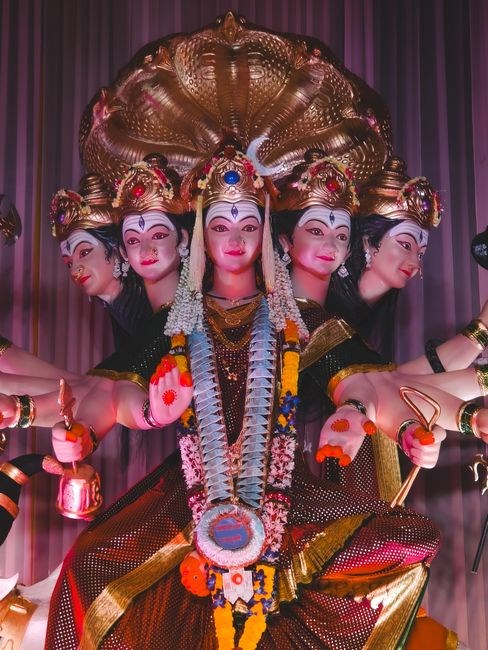
The stotram is divided into three parts: an opening invocation praising Annapurna’s grace, a main body of verses extolling her virtues and blessings, and a closing benediction that ends with gratitude and a promise of nourishment. for seekers of nourishment day
Opening Verses and Invocation
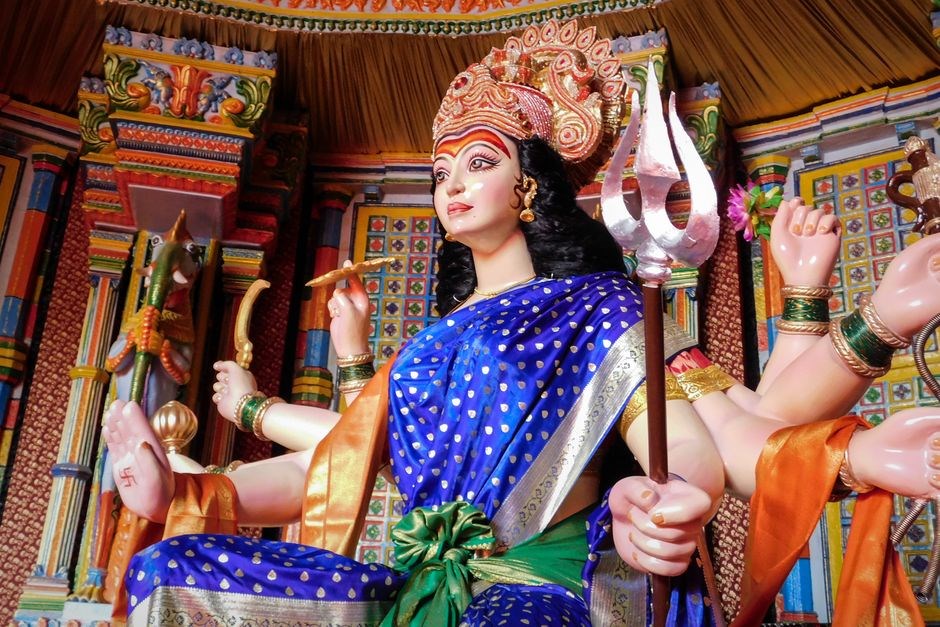
In the Telugu PDF of the Annapurna Devi Stotram, the opening verses serve as a heartfelt invocation that sets the tone for the entire hymn. The first stanza, often titled “Annapurna Kavacham,” calls upon the goddess’s protective mantle, asking for her guidance and nourishment. Devotees begin by addressing her as “Annapurna Devi,” the divine provider of food and sustenance, and invoke her presence with reverence. The verses are composed in classical Telugu meter, featuring rhythmic patterns that facilitate memorization and chanting. Each line is crafted to reflect the goddess’s attributes—her compassion, her boundless generosity, and her role as the sustainer of life. The invocation also includes a plea for the removal of hunger, both physical and spiritual, and for the fulfillment of the devotee’s inner desires. By reciting these opening lines, worshippers align their hearts with Annapurna’s benevolent energy, preparing themselves for the deeper verses that follow. The PDF format preserves the original calligraphy and includes transliterations, making it accessible to both native Telugu speakers and those learning the language. The opening invocation sets a meditative atmosphere, encouraging listeners to focus on gratitude and the promise of nourishment that Annapurna Devi embodies. The verses conclude with a short mantra that invites the goddess to enter the devotee’s home, ensuring that the blessings of abundance and health are present throughout the day. This foundational section is essential for establishing a spiritual connection and for setting the stage for the hymn’s subsequent themes of prosperity, devotion, and divine grace. The PDF’s layout, with clear headings and line breaks, aids in proper recitation and study, allowing devotees to internalize the hymn’s message and experience its transformative power. The opening verses thus form the cornerstone of the Annapurna Devi Stotram, offering a powerful, rhythmic call that resonates with faith and hope.
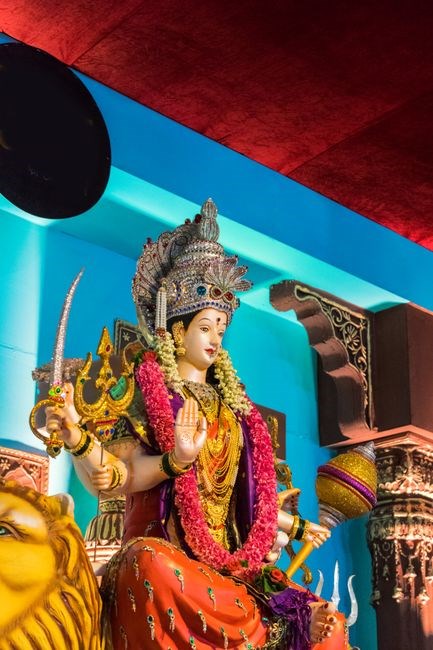
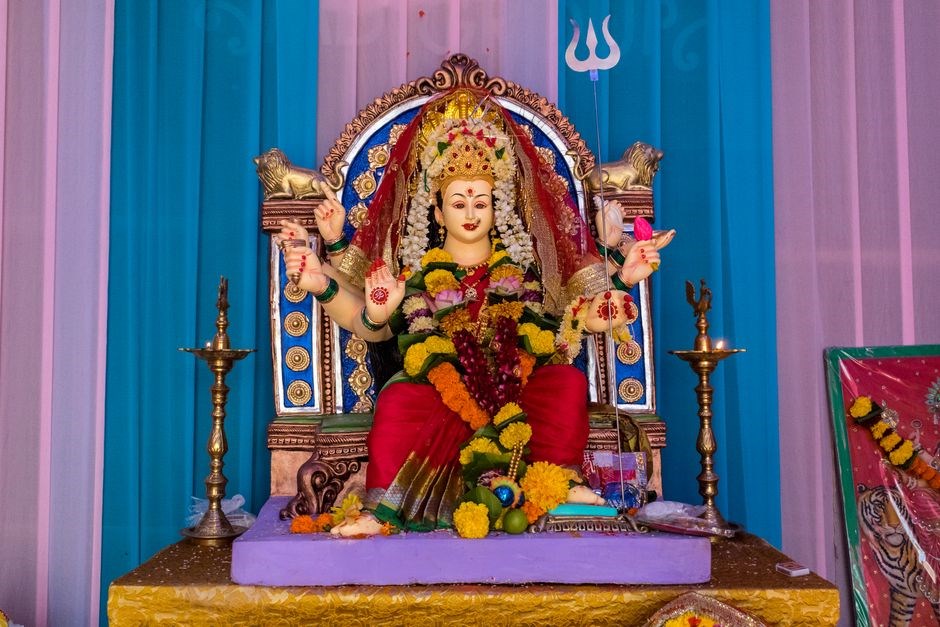
Additionally, the invocation contains a brief description of the goddess’s iconography—her seated posture, the lotus on her chest, and the conch she holds. These symbolic elements reinforce the devotee’s visual focus during chanting, creating a multisensory experience. The PDF’s design highlights these symbols with small illustrations, allowing readers to associate the textual description with the visual representation. This synergy enhances the devotional practice, making the hymn more engaging and memorable.
It also reminds devotees that nourishment encompasses knowledge, love, and compassion for a balanced life. The rhythmic cadence encourages breath control, fostering calmness during meditation and focus!
Main Body – Verses and Meanings
In the central portion of the Telugu PDF, the hymn unfolds in a series of stanzas that articulate Annapurna Devi’s virtues. Each verse is paired with a concise translation, allowing both native Telugu readers and non‑speakers to grasp the spiritual intent. The verses describe her as the “provider of all grains,” the “source of eternal nourishment,” and the “guardian of the hungry.” They also emphasize her role as a mother who dispenses love and sustenance to all beings, regardless of caste or creed. The PDF’s layout presents the original Telugu text on the left column and the English meaning on the right, facilitating side‑by‑side study. Scholars note that the meter follows the traditional “Anushtubh” pattern, which aids in rhythmic chanting. The meanings highlight how each word reflects the goddess’s compassion, her ability to eliminate poverty, and her promise of abundance. The verses also invoke her presence in daily life, encouraging devotees to seek her blessings before meals and during times of need. The PDF includes marginal notes that explain cultural references, such as the “Saptaswaram” chant that accompanies the stanzas. These annotations help readers understand the deeper symbolism behind the goddess’s attributes. The main body is structured into three sections: the first focuses on her divine nourishment, the second on her protective grace, and the third on her role as a cosmic mother. By following the PDF’s guide, devotees can recite each verse with proper intonation, thereby enhancing the devotional experience. The meanings also offer practical insights, suggesting how to apply the goddess’s teachings to everyday challenges, such as financial hardship or health concerns. This section of the PDF is thus both a liturgical text and a practical manual for living a life of gratitude and faith. The PDF also offers a glossary of key terms like “Annapurna” and “Sahasa,” and a brief commentary that places the hymn within South Indian temple traditions. Scholars note how the verses align with the goddess’s role in festivals and household prayers. By including these insights, the PDF becomes both a devotional guide and an educational tool, deepening the devotee’s appreciation of Annapurna’s multifaceted nature. The verses highlight the cycle of nourishment, showing how her blessings break the cycle of hunger and poverty. The design, with clear headings and color‑coded verses, aids memorization and study; For academic readers, the PDF cites ancient manuscripts and modern translations, giving the hymn scholarly credibility. Thus, the PDF serves as a bridge between tradition and modern devotion, encouraging daily practice.
Closing Verses and Benediction
The final section of the Telugu PDF concludes with a series of benedicatory verses that encapsulate Annapurna Devi’s promise of eternal sustenance and protection. Each stanza is carefully crafted to invoke her blessings upon the devotee’s household, ensuring that food, health, and prosperity remain ever abundant. The verses emphasize her role as the “Mother of the Hungry” and remind worshippers that her grace transcends material wealth, fostering inner peace and spiritual nourishment. The PDF presents the closing lines in Telugu alongside a clear English translation, allowing readers to grasp the subtle nuances of devotion. The benediction culminates with a heartfelt prayer: “May the divine Annapurna Devi shower her blessings upon all beings, granting them nourishment, wisdom, and the courage to share what they have.” This final appeal is designed to be recited after meals or during times of crisis, reinforcing the belief that the goddess’s presence is a constant source of comfort. Scholars note that the closing verses mirror the structure of traditional Hindu benedictions, employing rhythmic repetition to deepen the meditative experience. The PDF also includes a brief commentary on the significance of the final mantra, explaining how it aligns with the goddess’s cosmic role as the sustainer of life. By ending the hymn with this powerful benediction, devotees are encouraged to carry the goddess’s blessings into their daily lives, fostering a sense of gratitude and communal harmony. The PDF’s layout ensures that the closing verses are easily accessible, with bolded Telugu text and italicized English meaning, facilitating quick reference during worship or study sessions. This concluding portion thus serves both as a spiritual anchor and a practical guide for integrating the goddess’s teachings into everyday practice, reinforcing the timeless message that nourishment is a divine gift to be cherished and shared. The PDF also provides a short audio clip of the closing verses, enabling devotees to listen and repeat the benediction aloud, thereby enhancing the auditory aspect of devotion. Additionally, the final page includes a small illustration of Annapurna Devi holding a bowl of rice, symbolizing her role as the provider of sustenance. This visual element reinforces the textual message, making the benediction more memorable for practitioners of all ages. The closing benediction is often recited at the end of daily puja, and it is believed that doing so invites the goddess’s presence into the home, ensuring that no one goes hungry and that every meal is blessed. The PDF’s design also highlights the key words “Annapurna,” “Nourishment,” and “Blessing” in bold, drawing the reader’s eye to the core themes. By repeating these verses, devotees strengthen their faith and cultivate a deeper sense of gratitude toward the divine provider. Thus, the closing verses and benediction encapsulate the essence of Annapurna Devi’s promise, serving as a timeless reminder that true nourishment comes from divine grace and compassionate sharing.
Recitation Benefits and Spiritual Impact
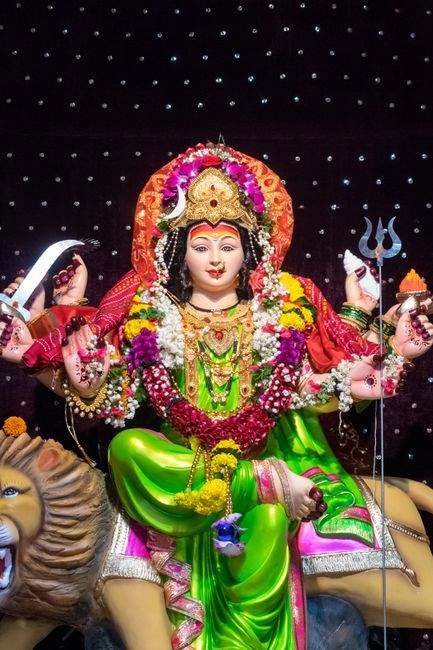
Reciting the Telugu PDF of Annapurna Devi Stotram purifies mind, calms nerves, and invites divine nourishment. It strengthens faith, fosters gratitude, and unites families in shared devotion, creating a harmonious, spiritually enriched environment.
Physical and Mental Benefits
Listening to and chanting the Annapurna Devi Stotram in Telugu PDF has been reported to reduce stress, lower blood pressure, and improve sleep quality. The rhythmic verses stimulate the parasympathetic nervous system, promoting relaxation. Regular recitation can enhance concentration, aiding students and professionals in maintaining focus. The stotram’s vivid imagery of nourishment and abundance encourages a positive mindset, fostering gratitude and reducing anxiety. Many devotees claim that the vibrations of the Sanskrit and Telugu words help balance the heart chakra, leading to emotional stability. The act of memorizing verses strengthens memory and cognitive flexibility. Additionally, the communal chanting experience in temples or family gatherings builds social cohesion, providing psychological support and a sense of belonging. The repeated mantra is believed to cleanse negative energies, creating a calm mental environment conducive to meditation and mindfulness practices. Overall, the stotram’s combination of melodic rhythm, spiritual symbolism, and communal practice offers holistic benefits for both body and mind. Moreover, devotees often incorporate the stotram into daily rituals, chanting it at sunrise and sunset to align their personal energies with the goddess’s benevolent aura. The rhythmic cadence of Telugu verses is said to harmonize the mind’s thoughts, creating a meditative state that enhances inner peace. By repeating these verses, practitioners report heightened spiritual awareness, improved emotional resilience, and a strengthened sense of purpose that permeates their everyday life, fostering a community of shared devotion and mutual support. Devotees also use the stotram during festivals, chanting it in temple halls to invoke blessings, and many report a sense of calm that carries them through daily challenges, reinforcing faith and community bonds. In addition, the rhythmic chanting is believed to synchronize the body’s circadian rhythms, promoting restful sleep and boosting immunity, enhancing wellbeing. daily!
Socio-Cultural Impact in Telugu Communities
The Annapurna Devi Stotram in Telugu PDF has become a cornerstone of cultural identity among Telugu‑speaking devotees. Its verses are recited in homes, temples, and community gatherings, reinforcing shared values of nourishment, generosity, and divine protection. During festivals such as Sankranti and Ugadi, the stotram is chanted in mandapas, fostering unity and collective celebration. The PDF’s accessibility allows younger generations to learn the hymns in their native language, preserving linguistic heritage while encouraging digital engagement. Community leaders organize “Stotram Sessions” where elders teach children the verses, strengthening intergenerational bonds. The stotram’s themes of abundance resonate with agrarian societies, inspiring gratitude for harvests and reinforcing sustainable agricultural practices. Moreover, the PDF’s availability on platforms like sriguru.org.in democratizes access, enabling remote devotees to participate in virtual pujas. The shared recitation experience cultivates a sense of belonging, reducing isolation and fostering mental well‑being. In urban settings, the stotram is incorporated into corporate wellness programs, where employees chant it during morning assemblies, promoting harmony and productivity. The cultural significance extends beyond religious practice; it influences local art, music, and literature, inspiring compositions that blend traditional Telugu folk tunes with the stotram’s melodic structure. Thus, the Annapurna Devi Stotram in Telugu PDF serves as a living cultural artifact that bridges tradition and contemporary life, sustaining communal identity and spiritual resilience across diverse Telugu communities. Its rhythmic cadence also aids in meditation, allowing practitioners to focus their thoughts and achieve inner calm. Moreover, the stotram’s melodic patterns are incorporated into folk music across villages!!
How to Use the PDF for Study and Practice
Students and devotees can begin by downloading the PDF from trusted sources such as sriguru.org.in, where the document is available in both Telugu script and transliteration. Once downloaded, open the file with a PDF reader that supports zoom and annotation features; this allows you to enlarge the verses for easier reading and to add personal notes on meanings or personal reflections. The stotram is structured in three parts: opening verses, main body, and closing benediction. For systematic study, start with the opening verses to familiarize yourself with the invocation of Annapurna Devi, then proceed to the main body, pausing after each stanza to translate or paraphrase the meaning in your own words. Many practitioners create a study log, recording the date, time, and emotional response to each recitation, which helps track spiritual progress. For practice, set aside a quiet space each day, preferably in the morning before sunrise, and recite the stotram aloud while maintaining proper pronunciation and intonation. Use the transliteration as a guide if you are not fluent in Telugu. Additionally, pair the recitation with a simple meditation on the goddess’s attributes—generosity, nourishment, and compassion—to deepen the experiential impact. For group study, form a small circle with friends or family, and take turns reading verses while others listen and offer supportive commentary. This collaborative approach reinforces communal bonds and enhances collective memory These practices create a spiritual rhythm that strengthens in bonds