Creative Curriculum, Reduce, Reuse, Recycle Study: A Comprehensive Overview
Exploring Creative Cloud’s integration with Adobe software, alongside Eastman’s circular economy principles, highlights the need for accessible PDF resources supporting sustainable educational practices;
The intersection of the Creative Curriculum and sustainability, particularly through “Reduce, Reuse, Recycle” studies, is gaining prominence․ Accessing relevant PDF resources becomes crucial for educators aiming to integrate these principles․ Discussions surrounding Adobe Creative Cloud – its installation, potential uninstallation without impacting existing software, and subscription models – indirectly underscore the importance of readily available digital materials․
Furthermore, the evolution of multimedia devices, from Creative Labs’ sound cards to Adobe’s integrated suite (Photoshop, Illustrator, InDesign), mirrors a shift towards resourcefulness․ Examining how companies like Eastman approach the circular economy provides a framework for applying these concepts in early childhood education․ Utilizing PDF studies facilitates understanding and implementation of these vital sustainability practices within the curriculum․
The Core Principles of Reduce, Reuse, Recycle in Early Childhood Education
Implementing “Reduce, Reuse, Recycle” requires a foundational understanding, often best accessed through comprehensive PDF study guides․ The challenges of software installation – exemplified by Adobe Creative Cloud issues and firewall conflicts – parallel the obstacles in establishing sustainable practices․ Simplifying access to resources, much like streamlining software setup, is key․
Considering the historical trajectory of multimedia technology, from ISA sound cards to modern creative suites, highlights the need for adaptable solutions․ Eastman’s circular economy principles, coupled with readily available PDF materials, empower educators to instill these values․ These guides should detail practical strategies, mirroring the troubleshooting steps for software, to foster environmental responsibility in young learners․
Understanding the Creative Curriculum Framework
Leveraging PDF resources detailing Creative Cloud’s integration and Eastman’s principles aids educators in embedding sustainability within the curriculum’s established structure․
What is the Creative Curriculum? A Detailed Explanation
The Creative Curriculum is a nationally recognized, research-based early childhood education system prioritizing hands-on, play-based learning․ It focuses on fostering development across all domains – cognitive, physical, social-emotional, and creative – through engaging, child-centered experiences․
Integrating sustainability, specifically “reduce, reuse, recycle” concepts, requires supplemental resources․ PDF documents detailing best practices, activity guides, and assessment tools become crucial․ These resources, often linked to Creative Cloud’s software for design and documentation, can help educators translate abstract ideas into concrete classroom applications․ Eastman’s circular economy principles, found in related PDF studies, offer a framework for evaluating the long-term impact of these initiatives․
Effectively implementing this curriculum necessitates understanding its core principles and utilizing readily available PDF support materials to enhance environmental literacy․
How the Creative Curriculum Supports Environmental Education
The Creative Curriculum’s emphasis on exploration and discovery naturally lends itself to environmental education․ Its project-based approach allows children to investigate natural phenomena, understand ecosystems, and develop a sense of responsibility towards the planet․
Supplementing this with targeted PDF resources – lesson plans focused on waste reduction, reuse projects, and recycling systems – strengthens the connection․ Accessing studies on circular economy principles, often available as PDF downloads (like Eastman’s work), provides a broader context․ Utilizing Adobe Creative Cloud tools, guided by PDF tutorials, allows educators to create visually engaging materials․
These resources, combined with the curriculum’s inherent flexibility, empower teachers to cultivate environmentally conscious habits in young learners, fostering a sustainable mindset․
Integrating Reduce, Reuse, Recycle into the Creative Curriculum
Leveraging PDF studies on sustainability, alongside Creative Cloud tools, enables educators to design impactful lessons promoting waste reduction and resourceful reuse projects․
Practical Activities for Reducing Waste in the Classroom
Implementing waste reduction begins with mindful consumption, mirroring Eastman’s circular economy approach․ Utilizing PDF resources detailing composting initiatives and paperless practices empowers students․ Activities include creating classroom recycling stations, analyzing waste streams, and designing campaigns to minimize single-use plastics․
Integrating digital tools, like those within Adobe Creative Cloud, reduces paper usage for assignments and projects․ Students can document their waste reduction efforts digitally, fostering awareness․ Examining PDF case studies of successful school implementations provides inspiration․ Encouraging reusable water bottles and lunch containers further minimizes waste․
Focusing on repair and repurposing, rather than disposal, aligns with reuse principles․ Students can transform “trash” into art, guided by PDF project ideas․ These hands-on experiences cultivate environmental responsibility and creative problem-solving skills, essential for a sustainable future․
Creative Reuse Projects: Transforming “Trash” into Treasure
Leveraging readily available “trash” fosters innovation, echoing the principles of a circular economy, as highlighted by Eastman․ PDF guides showcasing upcycling projects – turning discarded materials into functional art – are invaluable․ Activities include constructing musical instruments from recyclables, building miniature cities from cardboard boxes, and creating mosaics from bottle caps․
Integrating digital documentation, utilizing tools like those in Adobe Creative Cloud, allows students to showcase their creations and share ideas․ PDF resources can provide step-by-step instructions and inspiration for complex projects․ These projects enhance creativity and problem-solving skills․
Emphasizing the value of resourcefulness, these activities challenge conventional notions of waste․ Analyzing PDF examples of successful reuse initiatives inspires students to see potential in discarded items, promoting environmental stewardship and artistic expression․
Recycling Initiatives: Setting Up a Classroom System
Establishing a classroom recycling system reinforces responsible waste management, aligning with sustainability goals․ PDF resources detailing best practices for sorting materials – paper, plastic, glass – are crucial․ Clear labeling of bins, coupled with visual guides from PDFs, simplifies the process for young learners․
Integrating this initiative with the Creative Curriculum encourages observation and data collection․ Students can track recycling rates, analyze waste composition, and present findings using digital tools like those within Adobe Creative Cloud․ PDF templates can aid in data recording and report creation․
Utilizing PDF checklists ensures all necessary components are in place – bins, signage, collection schedules․ This fosters a sense of ownership and responsibility, promoting long-term environmental habits․

The Role of PDF Resources in Supporting the Curriculum
Accessible PDF guides detailing Creative Cloud integration, Eastman’s principles, and practical recycling initiatives are vital for educators implementing this sustainable study․
Locating and Utilizing Relevant “Reduce, Reuse, Recycle” Study PDFs
Finding appropriate PDF resources requires strategic searching․ Begin with educational databases and websites specializing in early childhood education and sustainability․ Keywords like “Creative Curriculum,” “Reduce Reuse Recycle,” “environmental education,” and “early learning” are crucial․ Explore Adobe’s resources related to Creative Cloud, as integration with digital tools can enhance learning․
Consider resources from organizations promoting circular economy principles, like Eastman, for broader context․ Once located, carefully analyze PDF content for alignment with curriculum goals․ Look for practical activities, lesson plans, and assessment tools․ Ensure the information is age-appropriate and supports hands-on learning․ Utilize these PDFs to supplement existing materials, providing educators with a robust foundation for teaching sustainability․
Analyzing PDF Content for Curriculum Enhancement
Effective curriculum enhancement with PDF resources demands critical analysis․ Evaluate the source’s credibility and date of publication, ensuring information remains current․ Assess how the PDF’s activities align with the Creative Curriculum’s developmental goals and learning objectives․ Consider if the materials promote hands-on experiences, fostering creativity and problem-solving skills․
Examine whether the PDF offers adaptable lesson plans, accommodating diverse learning styles․ Look for opportunities to integrate digital tools, leveraging Adobe Creative Cloud for student projects․ Adapt content to address local environmental issues, increasing relevance․ Finally, determine how the PDF supports assessment, tracking student understanding of reduce, reuse, and recycle principles, ultimately enriching the learning experience․
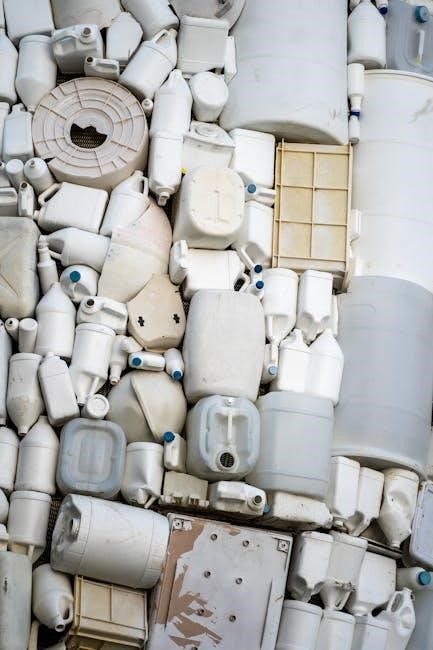
Benefits of a Sustainable Creative Curriculum
Integrating PDF-supported sustainability fosters environmental responsibility, boosts creativity via reuse projects, and enhances cognitive skills through hands-on learning experiences․
Fostering Environmental Responsibility in Young Children
Utilizing readily available “Reduce, Reuse, Recycle” study PDFs within the Creative Curriculum cultivates a foundational understanding of ecological stewardship in young learners․ These resources, often detailing practical classroom applications, empower children to recognize the impact of consumption and waste․
Exposure to concepts like Eastman’s circular economy principles – simplified for early childhood – through visual PDF guides, encourages mindful resource management․ The curriculum, supplemented by these materials, transforms abstract ideas into tangible actions, like sorting recyclables or repurposing materials․
Furthermore, access to PDFs showcasing successful school implementations, like those mentioned in case studies, provides relatable examples, inspiring children to become active participants in environmental conservation․ This early engagement fosters lifelong habits of responsible citizenship and a deep respect for the planet․
Developing Creativity and Problem-Solving Skills
Integrating “Reduce, Reuse, Recycle” PDF resources into the Creative Curriculum sparks innovation by challenging children to reimagine discarded materials․ Inspired by concepts like Eastman’s circular economy, these PDFs often present “trash” as potential treasure, fostering inventive reuse projects․
Activities detailed within these guides – transforming waste into art or building structures from recyclables – demand critical thinking and resourceful problem-solving․ Children learn to analyze material properties, devise construction techniques, and overcome obstacles, mirroring the challenges faced in real-world design․
The curriculum, enhanced by these PDFs, moves beyond rote learning, encouraging experimentation and personalized expression․ Like the evolution of Creative Cloud tools, adaptation and ingenuity are key, nurturing a mindset of continuous improvement and creative exploration․
Enhancing Cognitive Development Through Hands-on Activities
PDF-supported “Reduce, Reuse, Recycle” activities within the Creative Curriculum significantly boost cognitive skills․ Sorting recyclables, for example, develops categorization and pattern recognition – foundational elements of early math and science learning․ Analyzing material composition, akin to understanding Eastman’s circular economy principles, fosters analytical thinking․
Constructing projects from repurposed materials, detailed in these PDF guides, strengthens spatial reasoning and problem-solving abilities․ Like mastering Adobe Creative Cloud tools, these tasks require planning, execution, and iterative refinement․
These hands-on experiences also enhance fine motor skills and hand-eye coordination․ The curriculum, enriched by these resources, provides concrete experiences that solidify abstract concepts, promoting deeper understanding and long-term retention․
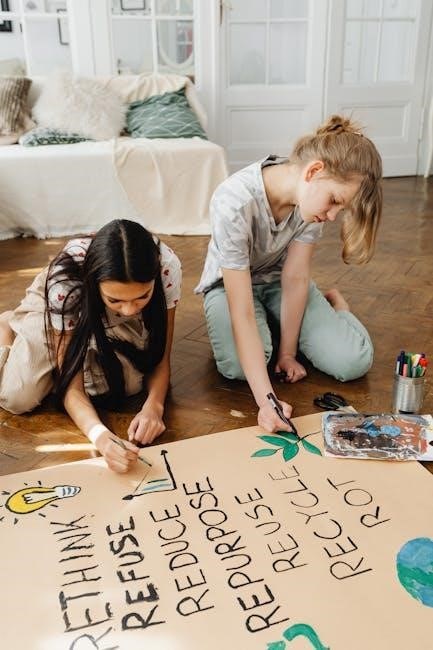
Challenges and Solutions in Implementation
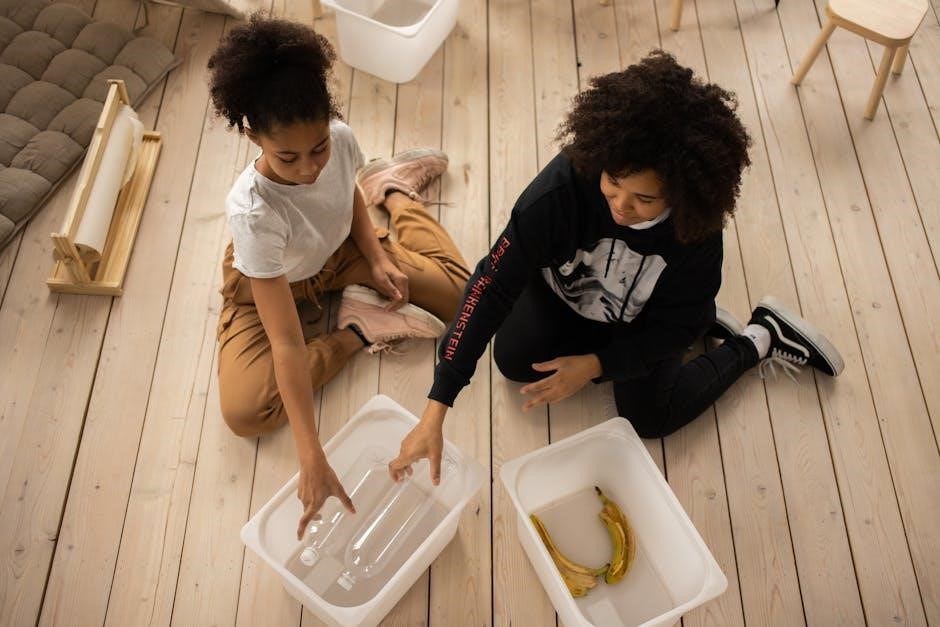
Accessing relevant PDF resources, like Adobe Creative Cloud documentation, requires reliable internet; funding limitations hinder material acquisition for reuse projects, demanding creative solutions․
Addressing Resource Limitations and Funding
Implementing a “Reduce, Reuse, Recycle” study within the Creative Curriculum often faces budgetary constraints․ Schools may lack funds for specialized materials or updated PDF resources detailing best practices․ Utilizing freely available online PDF guides from organizations focused on sustainability, like Eastman’s circular economy principles, can mitigate costs․
Creative solutions, such as community partnerships for material donations (e․g․, scrap fabric, cardboard boxes), are crucial․ Leveraging existing Adobe Creative Cloud subscriptions – if available – for creating visually engaging educational PDFs can also reduce expenses․ Grant applications targeting environmental education initiatives represent another funding avenue․ Prioritizing digital PDF resources over physical materials minimizes printing costs and promotes accessibility, aligning with the core tenets of reduce and reuse․
Overcoming Resistance to Change from Educators and Parents
Introducing a sustainability-focused Creative Curriculum, supported by detailed PDF study guides, can encounter resistance․ Some educators may feel unprepared or overwhelmed by incorporating “Reduce, Reuse, Recycle” principles․ Providing professional development, alongside accessible PDF resources outlining practical classroom activities, is vital․
Parental concerns often revolve around perceived inconvenience or hygiene issues․ Clear communication, utilizing informative PDFs explaining the curriculum’s benefits – fostering environmental responsibility and creativity – is key․ Highlighting successful implementations, showcased in case study PDFs, can build confidence․ Emphasize that the curriculum doesn’t require extensive resources, and aligns with values of resourcefulness, mirroring Eastman’s circular economy approach․ Addressing concerns proactively builds buy-in and ensures successful integration․

Case Studies: Successful Implementations
Analyzing schools integrating sustainability, aided by PDF guides, reveals effective strategies․ Creative Cloud’s tools support documentation, while Eastman’s principles inform impactful programs․
Examples of Schools Effectively Integrating Sustainability
Several schools demonstrate successful integration of sustainability through the Creative Curriculum, bolstered by readily available PDF study materials․ These resources often detail practical applications of the “reduce, reuse, recycle” mantra, aligning with Eastman’s circular economy principles․
For instance, institutions leverage Adobe Creative Cloud – including Photoshop and Illustrator – to create visually engaging educational PDFs for students and parents․ These materials showcase student-led recycling initiatives and creative reuse projects, transforming “trash” into valuable learning tools․
Furthermore, schools utilize PDF guides to establish classroom recycling systems, track waste reduction, and monitor progress․ The accessibility of these digital resources, even with potential Creative Cloud subscription limitations, ensures widespread implementation and fosters environmental responsibility among young learners․
Lessons Learned from Real-World Applications
Implementing a sustainable Creative Curriculum, supported by “reduce, reuse, recycle” PDF studies, reveals key insights․ Schools found that readily accessible digital resources – despite potential Adobe Creative Cloud access challenges – are crucial for educator and parent engagement․
A significant lesson involves addressing resource limitations․ Utilizing free PDF templates and adapting existing materials minimizes costs․ Overcoming resistance requires demonstrating the curriculum’s benefits: fostering environmental responsibility, creativity, and cognitive development․
Moreover, successful implementations emphasize hands-on activities and student leadership․ Leveraging tools like Photoshop (via Creative Cloud subscriptions where available) to create impactful PDF presentations showcasing student work amplifies the message․ Consistent monitoring and adaptation, guided by PDF-based assessment tools, are essential for long-term success․

Future Trends in Sustainable Early Childhood Education
Digital literacy, enhanced by accessible “reduce, reuse, recycle” PDF studies and Creative Cloud tools, will drive environmental education forward for young learners․
The Growing Importance of Environmental Literacy
Environmental literacy is becoming increasingly crucial as we face global sustainability challenges․ Integrating concepts like reduce, reuse, and recycle into early childhood education, supported by comprehensive PDF studies, fosters a sense of responsibility towards our planet from a young age․
The accessibility of resources, such as those potentially found within Adobe Creative Cloud’s ecosystem, can significantly enhance curriculum development․ These PDF documents can provide educators with practical activities, lesson plans, and assessments aligned with the Creative Curriculum framework․
Furthermore, understanding circular economy principles, as highlighted by companies like Eastman, informs a holistic approach to sustainability․ Equipping children with this knowledge empowers them to become informed citizens and advocates for a healthier future, utilizing digital tools for learning and collaboration․
Technological Advancements Supporting the Curriculum
Digital tools are revolutionizing how we deliver and access educational content, particularly regarding sustainability․ The availability of “Reduce, Reuse, Recycle” study materials in PDF format, easily shared and updated, exemplifies this shift․ Platforms like Adobe Creative Cloud, while initially focused on creative tools, can facilitate the creation of engaging, interactive learning experiences․
Technological advancements allow for virtual field trips to recycling centers, interactive simulations demonstrating waste reduction, and collaborative projects utilizing digital platforms․ Even older technologies, like those from Creative Labs (sound cards, ZEN players), demonstrate innovation․
These resources, often accessible as PDF downloads, empower educators to integrate environmental literacy seamlessly into the Creative Curriculum, fostering a generation equipped to address ecological challenges․